Why Concrete and Dirt Need Heavy-Debris Dumpster Planning
Concrete Loads and Driveway Protection
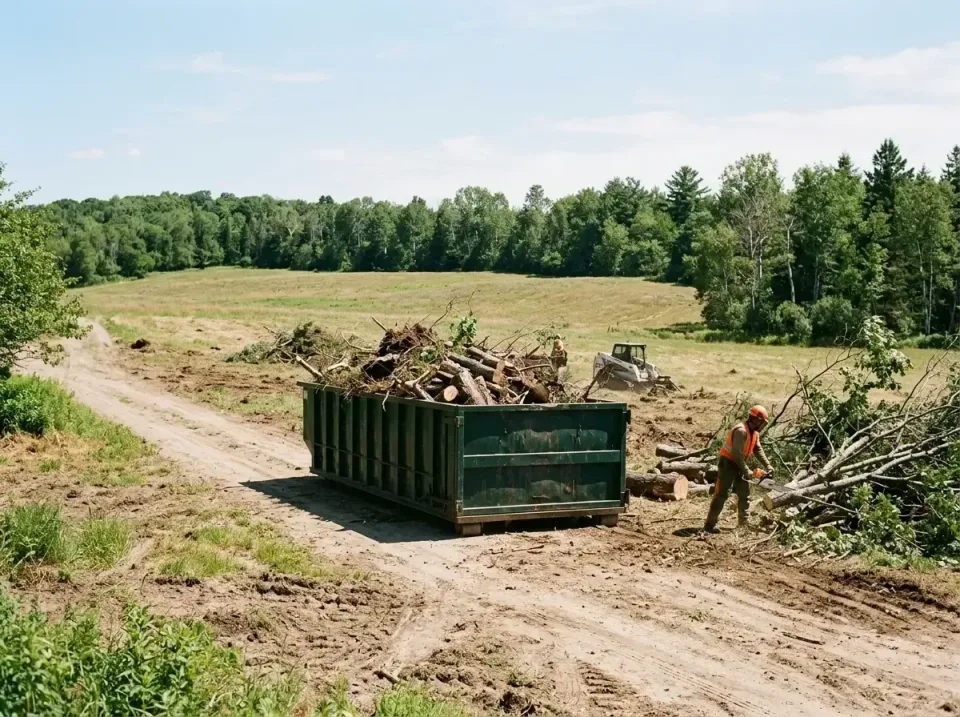
Concrete and dirt need payload planning before delivery, because heavy material can damage pavement or exceed container limits. Driveway damage from dumpster delivery often starts with poor placement, not careless loading.
In Pelham, Alabama, confirm the driveway slope, truck path, and overhead clearance first. Plywood or driveway protection boards can reduce pressure from container wheels.
Roofing debris mixed with prohibited materials creates a separate disposal problem. Remove suspect materials before loading, especially during older-home renovations.
Dumpster Rental Pros helps homeowners and contractors plan residential and commercial roll-off service around access, material type, and pickup timing. Coverage extends through all service areas, with local planning remaining the first step.
Five Facts About Heavy Concrete Haul-Off
-
Payload first: Heavy concrete exceeds container limits before the box reaches its cubic-yard capacity, so a weight review comes first.
-
Separate loads: Separate concrete, dirt, and asphalt loads when possible; a clean load may support better recycling and clearer disposal records.
-
Right-size carefully: Container capacity is measured in cubic yards, not tons, so volume estimates alone can mislead renovation customers.
-
Plan the haul-off: A roll-off container supports project debris, while a container swap-out keeps commercial work moving when one box fills early.
-
Control mixed waste: Mixed construction debris can combine bulky materials with dense masonry, increasing the chance of extra handling or a higher tip fee.
The Construction and Demolition Materials Recycling Association promotes better sorting practices, including concrete aggregate recycling and scrap metal recovery. These choices support waste diversion while reducing avoidable landfill handling.
A concrete and dirt dumpster suits weight-focused material better than a general mixed-load box. Ask about the transfer station scale house process before the first haul-away.
Why Concrete Needs a Different Container Plan
Concrete, brick, and asphalt create a weight problem before they create a space problem. A concrete and dirt dumpster is usually better for a clean masonry load than a mixed debris dumpster because the former is weight-focused.
A concrete breaker reduces slabs and masonry into manageable pieces, but smaller pieces still carry the same total mass. The American Concrete Institute provides useful terminology for concrete work, while the disposal provider determines acceptable material and payload limits.
The practical rule is simple: report the material, estimated quantity, and loading method before delivery. A skid-steer loader may load a commercial roll-off container quickly, but dense material can reach the payload limit while unused space remains.
Right-Sizing for Remodeling and Roofing
Container capacity is measured in cubic yards, not tons. That distinction matters during residential remodeling, where cabinets, drywall, framing, and concrete may occupy space at very different weights.
A 10-yard container can suit compact heavy materials, while a 15-yard container often fits a small renovation. A 20-yard box may handle a larger blend, but concrete should not be treated like lightweight household junk.
Roofing contractors should separate shingles, underlayment, wood, and prohibited materials before loading. Recycling and disposal rules can differ by stream, so jobsite sanitation planning resources may help contractors coordinate worker access while the dumpster plan addresses debris.
Keep debris below the container walls, and do not use extra height to solve an undersized order. Overflowing debris after renovation work can cause an unsafe load, an overage charge, or a delayed haul-off.
Placement, Access, and Pickup Timing
A typical container is approximately eight feet wide, so placement can affect driveways, sidewalks, and accessible routes. Delivery requires clear truck access, and container staging should avoid branches, utility lines, narrow turns, and soft shoulders.
Driveway protection boards help shield pavement, but they cannot correct a steep slope or blocked truck approach. Confirm the placement before delivery and maintain pedestrian clearance if the box is near a walkway.
Missed pickup delays project cleanup when demolition crews keep working after the scheduled service window. For larger commercial construction, a planned container swap-out may prevent downtime, while same-day delivery depends on route availability.
The Resource Conservation and Recovery Act Subtitle D addresses solid-waste disposal standards, while local authorities handle street-placement requirements. A front-load truck is intended for routine commercial trash, not the same loading pattern as an open-top roll-off container.
Sorting Materials Before the First Load
Source separation can reduce confusion at the transfer station scale house. Keep concrete, dirt, and asphalt apart when practical, and create a clean load before adding cardboard, scrap metal, or household junk.
The Construction and Demolition Materials Recycling Association supports sorting practices that can send suitable material toward recycling instead of a Class III municipal solid waste landfill. Roofing debris may also need a separate stream, particularly when older materials could contain regulated substances.
Avoid prohibited materials before loading. If demolition involves suspected asbestos, stop and obtain the required assessment rather than placing it into a construction debris dumpster.
Dumpster Rental Pros can review the material list, driveway access, container size, and pickup schedule before dispatch. That conversation is most useful when customers provide photos, approximate dimensions, and the number of demolition phases.
Dumpster Options for Concrete, Dirt, and Renovation Debris
The best option depends on material density, project volume, and how often the site needs service. Weight-based disposal tracking is especially useful for concrete and dirt.
A roofing debris dumpster suits shingles and underlayment, while a 15-yard container fits many small renovation projects. Commercial customers may need multi-location account management for separate job sites.
Recycling facility routing can support source-separated concrete, cardboard, and metal. Before choosing a container, contractors should confirm the accepted stream and loading limits with the provider.
| Option | Best for | Key detail |
|---|---|---|
| Concrete and dirt dumpster | Masonry and soil | Weight-focused; keep dense loads separate |
| Roofing debris dumpster | Shingles and underlayment | Avoid prohibited materials |
| 15-yard construction debris dumpster | Small renovations | Moderate space for mixed project debris |
| Commercial roll-off dumpster | Larger job sites | Supports scheduled service and account coordination |
Six Steps for a Safer Concrete Container Delivery
-
Confirm materials: Separate concrete, brick, and asphalt before requesting a container, and identify anything requiring special handling.
-
Measure access: Keep the truck route clear, check utility lines, and preserve overhead clearance for the delivery vehicle.
-
Protect pavement: Place driveway protection boards beneath container contact points after confirming the surface is suitable.
-
Stage correctly: Keep the accessible route open and position the box where loading equipment can reach it safely.
-
Load below walls: Distribute material evenly, avoid prohibited items, and keep debris below the container rim.
-
Schedule haul-off: Set the pickup window around the final demolition phase; dumpster delivery planning guidance can help crews coordinate related site logistics without replacing the waste provider’s instructions.
Typical 10-, 20-, and 30-Yard Heavy-Debris Costs
-
10-yard residential rental: $300–$600, influenced by rental period and disposal weight. It suits compact cleanouts and heavy materials.
-
20-yard renovation rental: $450–$800, influenced by debris type and haul distance. This is often considered for broader remodeling loads.
-
30-yard commercial rental: $600–$1,100, influenced by tonnage and rental duration. A 40-yard container is approximately 22×8×8 feet and may suit bulky commercial volume, but dense concrete still requires payload review.
-
Concrete disposal: $400–$900, influenced by weight and recycling facility routing.
-
Roofing cleanup: $350–$750, influenced by shingles, access, and disposal fees.
Regional pricing can change with transfer distance, facility acceptance, and rental length. Final quotes vary by container size, location, materials, weight, permits, and rental duration.
The Roll-Off Container Right-Sizing Tip
Heavy debris should be sized by payload before volume. A roll-off container can look half-empty while its concrete load has already reached the safe weight range.
Ask about a container swap-out before overloading the first box. That choice may cost less than an overage charge or a second haul caused by incorrect container right-sizing.
A tip fee is the disposal charge assessed by the receiving facility, and it may be based on the material’s measured weight. Keep a clean load whenever possible so the scale record reflects the intended stream.
Container staging should leave room for the hook-lift truck and its approach path. A landfill cover can control loose light debris, but it does not make an overweight load acceptable.
Common mistake: Choosing a larger box for more room without telling the provider that the load contains mostly concrete.
Plan the Concrete Dumpster Before Demolition
Concrete and dirt require a different plan because heavy debris reaches payload limits before full volume. A 10-yard container is approximately 12–14 feet long, making it useful when access is tight and the load remains compact.
For Pelham, AL projects, confirm driveway conditions, truck clearance, material separation, and pickup timing before breaking concrete. Container capacity is measured in cubic yards, not tons, so provide both volume and weight estimates.
Some customers may need junk removal for household items, while a jobsite may also require portable toilet rental coordination. Those services should not be mixed into a concrete load.
Send Dumpster Rental Pros the material list, placement photos, and preferred schedule to request a practical quote for your cleanup.
Services We Offer in Pelham
Explore related services available in Pelham.
Homeowners and property managers book Pelham cleanout dumpsters for furniture, household junk, remodeling debris, and estate clearances.
Homeowners, contractors, and property managers book 30–40 yard dumpsters for bulky renovations, cleanouts, roofing, and construction debris in Pelham.
Brush, limbs, and yard debris fill a box differently than construction junk — small dumpster rental (10–15–20 yard) sized for Pelham landscaping and cleanup projects.
Homeowners and roofing contractors in Pelham can contain shingles, underlayment, and tear-off debris safely.
Homeowners, contractors, and property managers book Pelham containers for renovation, demolition, roofing, and construction debris.
Commercial roll-off containers help Pelham contractors, property managers, and businesses control renovation and construction debris.
Homeowners, contractors, and property managers book fast dumpster delivery for cleanouts, renovations, roofing, and jobsite debris in Pelham.
Homeowners, landscapers, and property managers use Pelham dumpsters for brush, leaves, branches, and landscape debris.
Homeowners, contractors, and businesses in Pelham use our containers for organized scrap metal hauling and recycling.
Homeowners, contractors, and property managers book flexible dumpster rentals for extended cleanups and ongoing Pelham projects.
Homeowners and contractors in Pelham can rent containers for concrete, dirt, brick, asphalt, and other heavy jobsite debris.
Homeowners, estate representatives, and property managers use Pelham dumpsters for furniture, boxes, and household cleanouts.
Homeowners, contractors, and property managers use Pelham dumpsters for furniture, cleanouts, renovation debris, and household junk.
Contractors, remodelers, and property managers book Pelham containers for construction debris, roofing waste, and job-site cleanups.
Front-load containers support routine waste service for Pelham businesses, property managers, contractors, and multi-unit properties.
Homeowners, contractors, and property managers book Pelham recycling dumpsters for sorted renovation, cardboard, metal, and appliance loads.
Homeowners, contractors, and property managers book driveway-safe containers with protected placement in Pelham.
Local asbestos & hazardous debris dumpster rental for Pelham with clear pricing drivers, weight limits, and scheduling you can plan around.
Homeowners, contractors, and property managers book Pelham containers for cleanouts, renovations, roofing debris, and routine commercial waste.
Industrial manufacturing sites, contractors, and property managers book Pelham roll-off containers for heavy and high-volume debris.
Portable On-Demand Dumpster Rental in Pelham — practical container sizing, placement guidance, and disposal rules explained before you book.
Homeowners, contractors, and property managers can arrange same-day dumpster delivery for urgent cleanouts and jobsite debris in Pelham.
Property managers book coordinated dumpsters for apartment cleanouts, renovations, roofing work, and multi-location waste removal in Pelham.
Temporary containers help Pelham venues, contractors, and property managers handle event, renovation, and cleanup debris.
Recent Projects Gallery
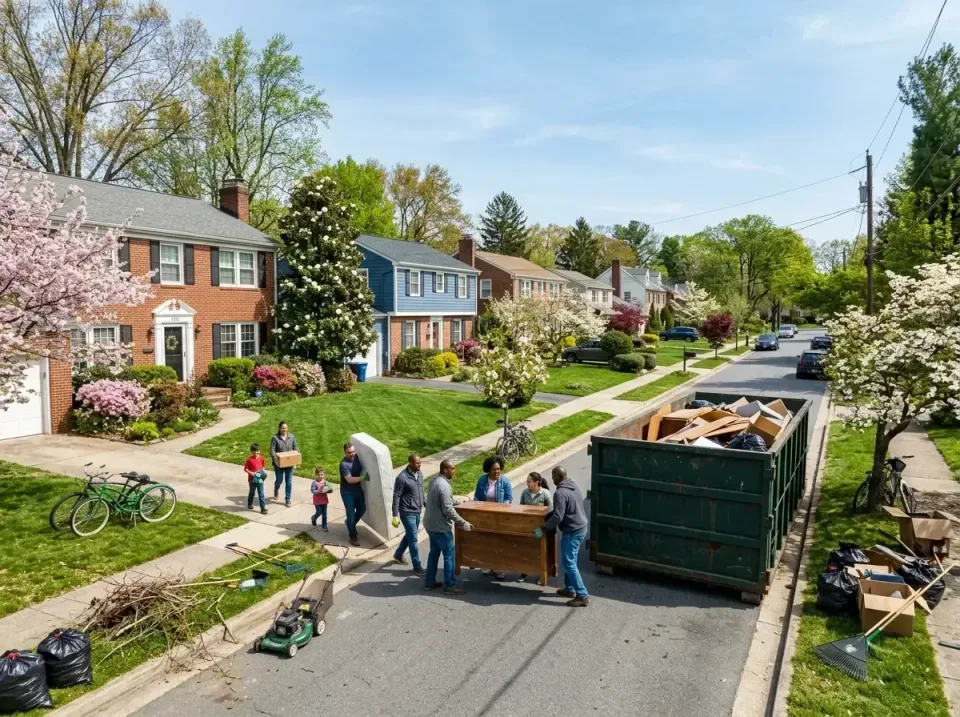
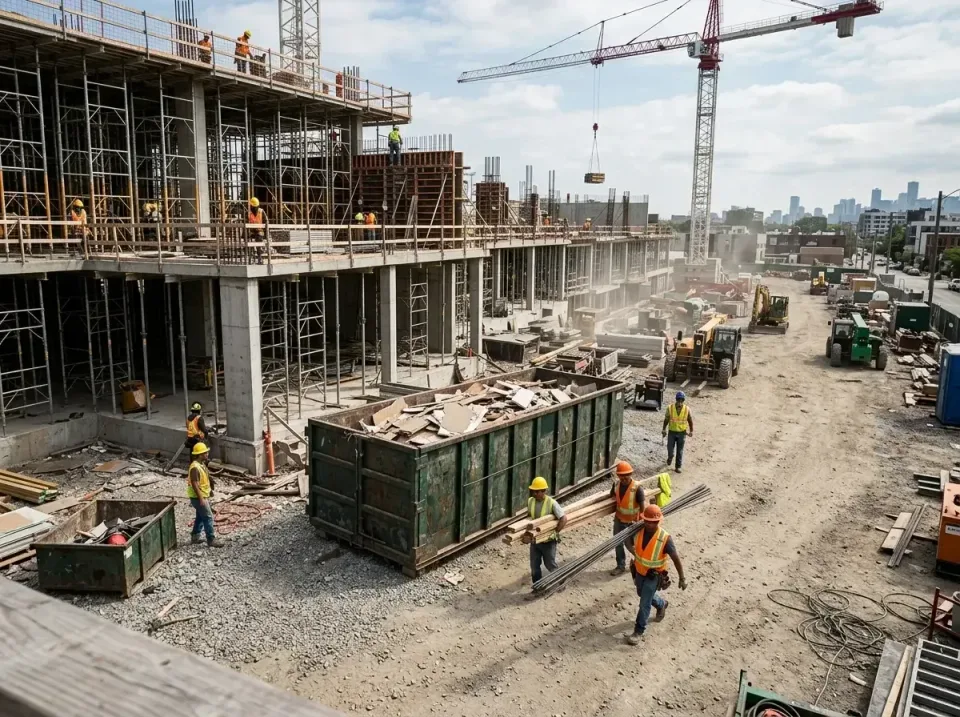
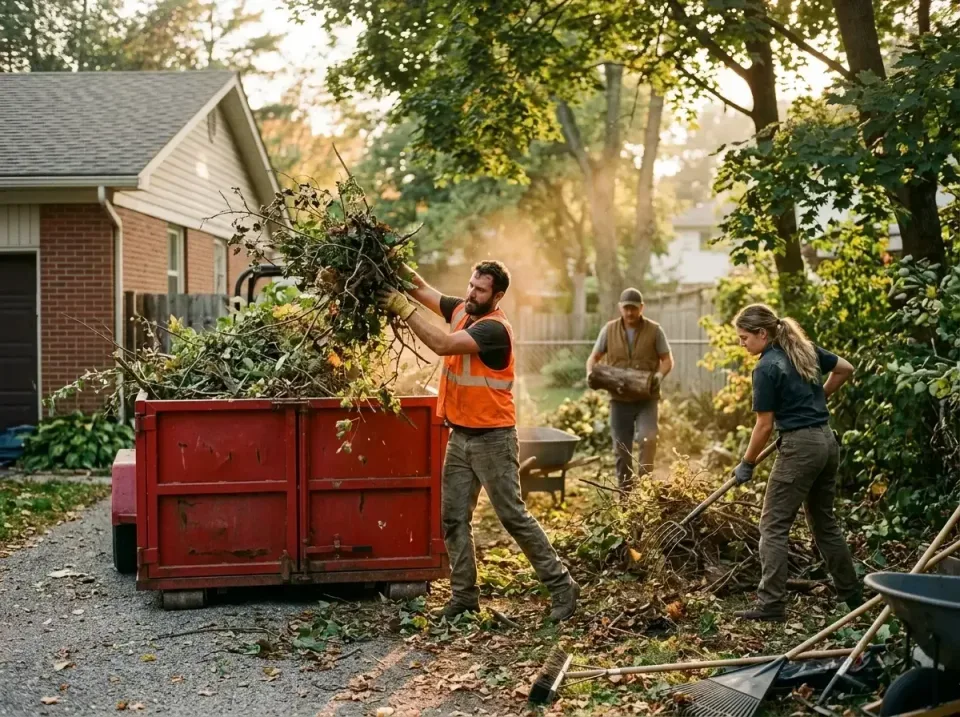
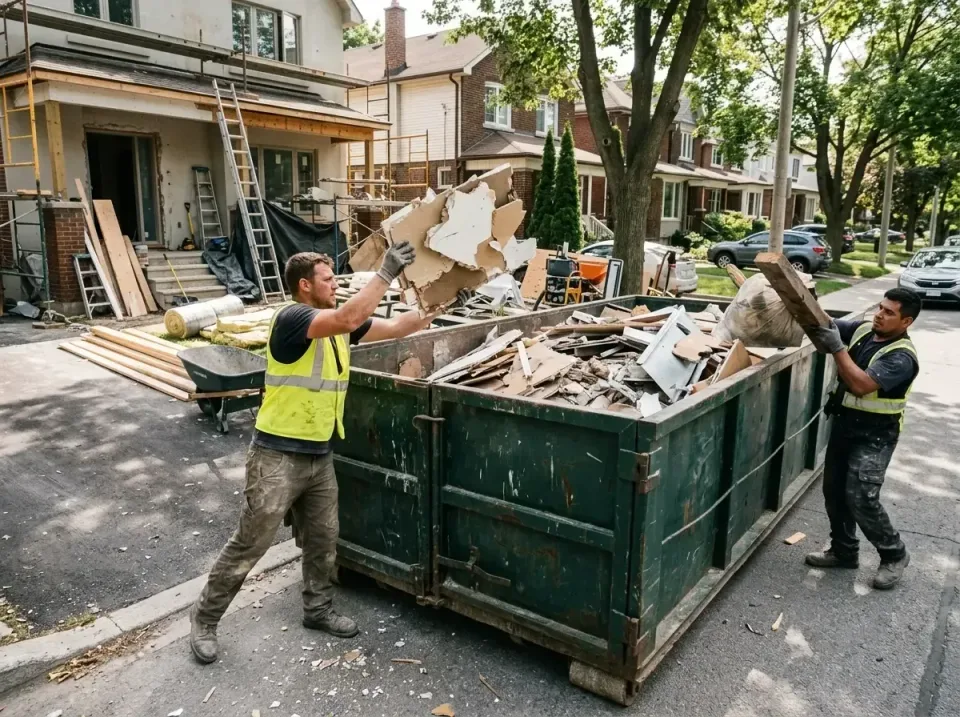
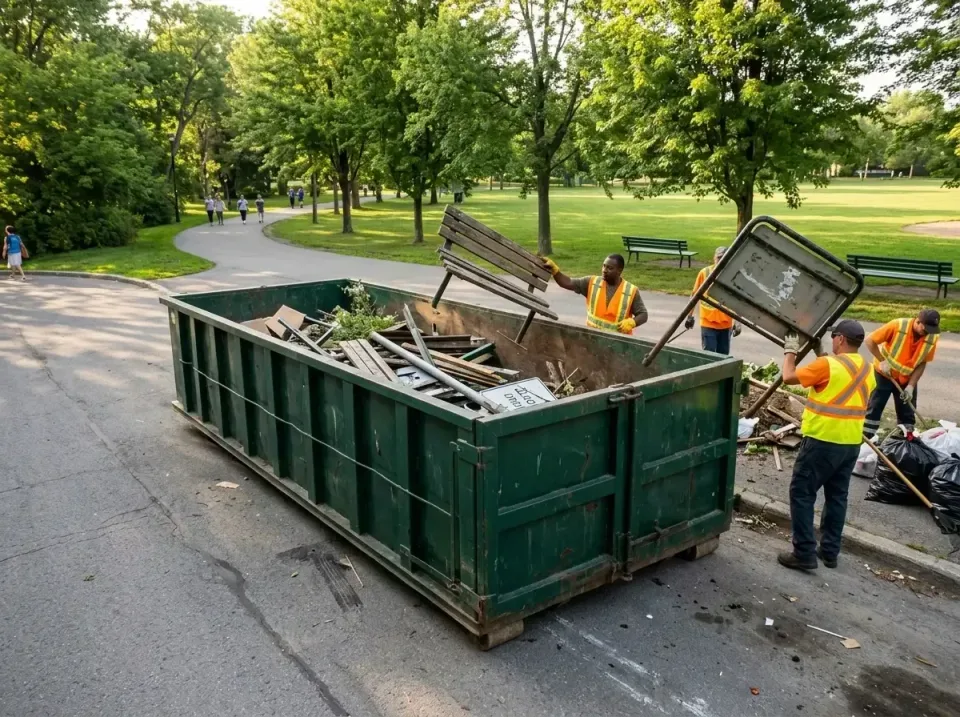
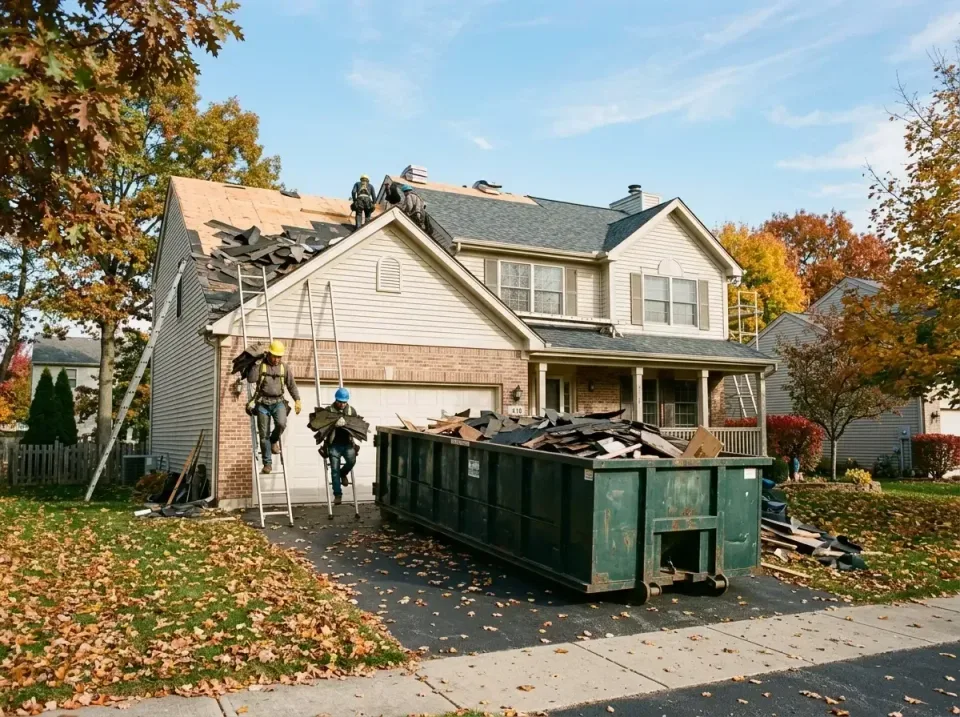
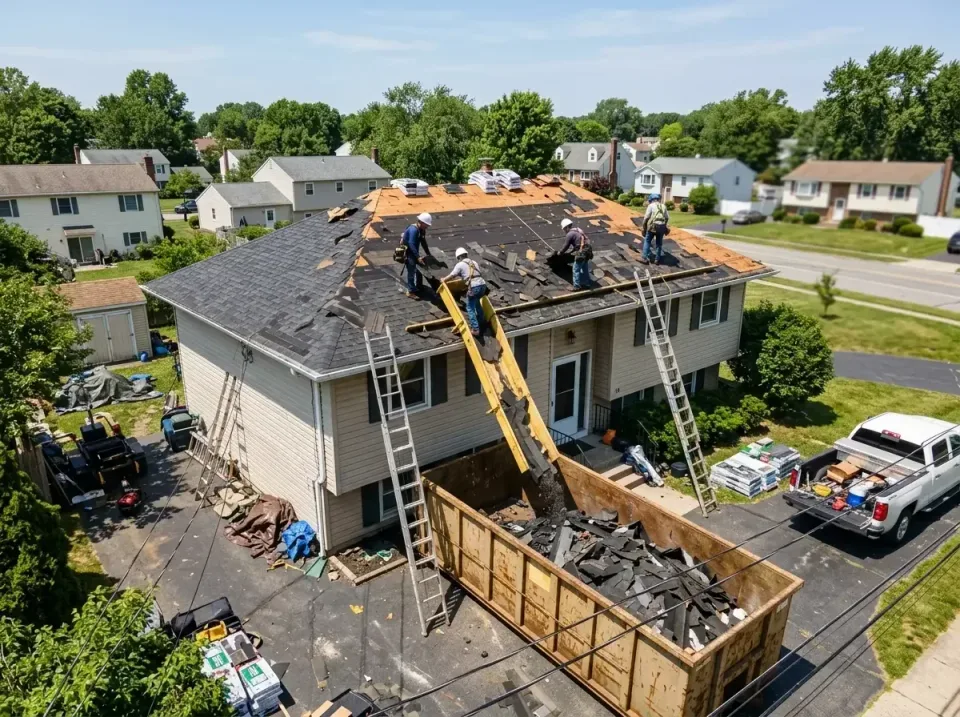
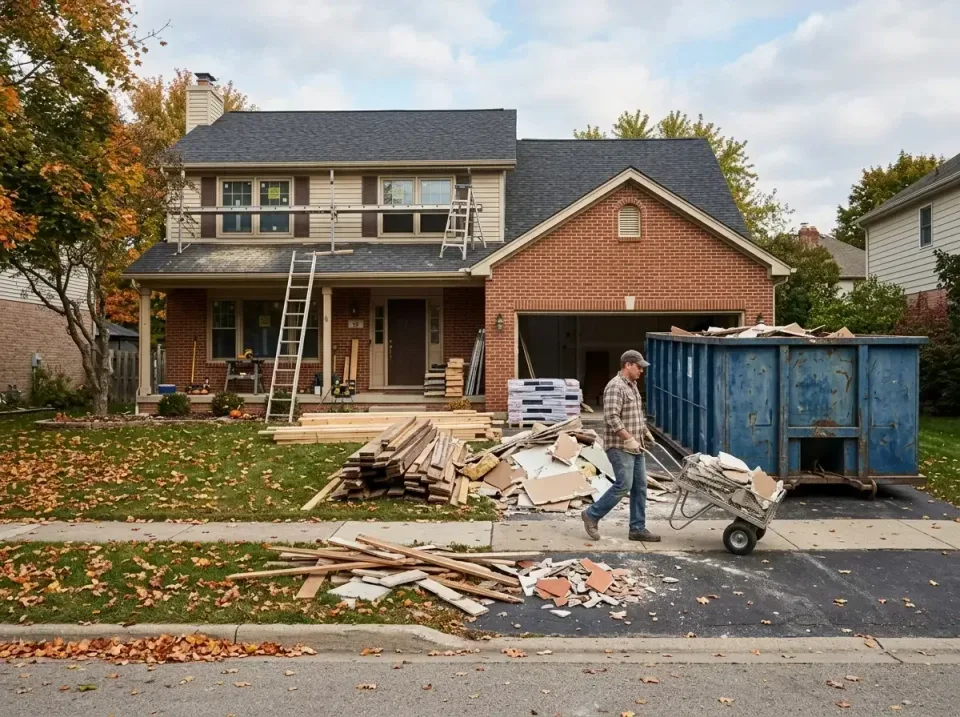
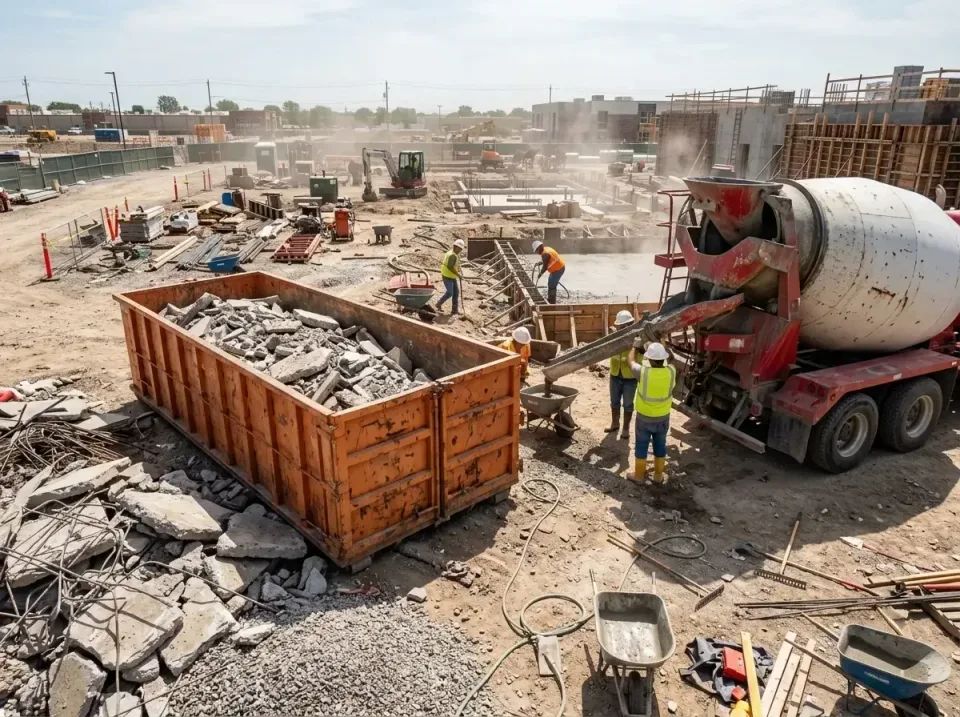
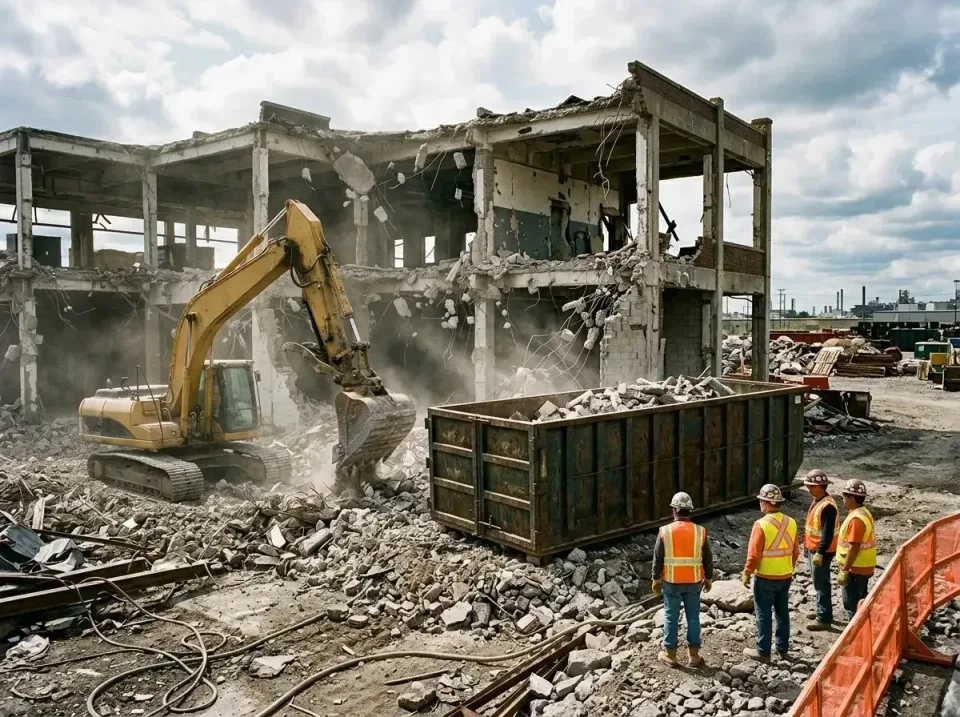
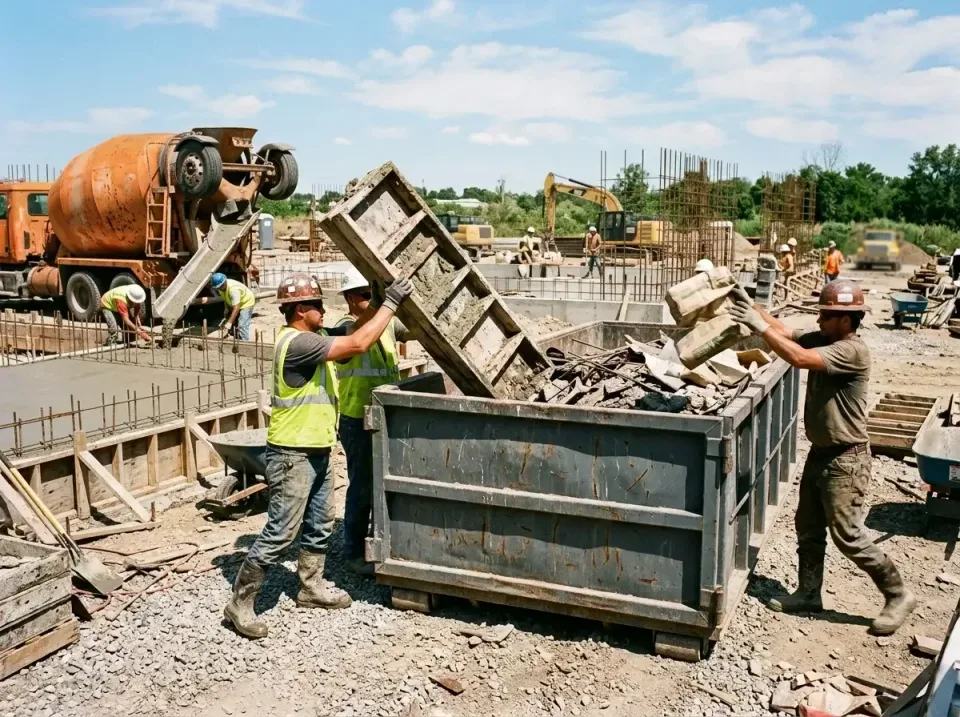
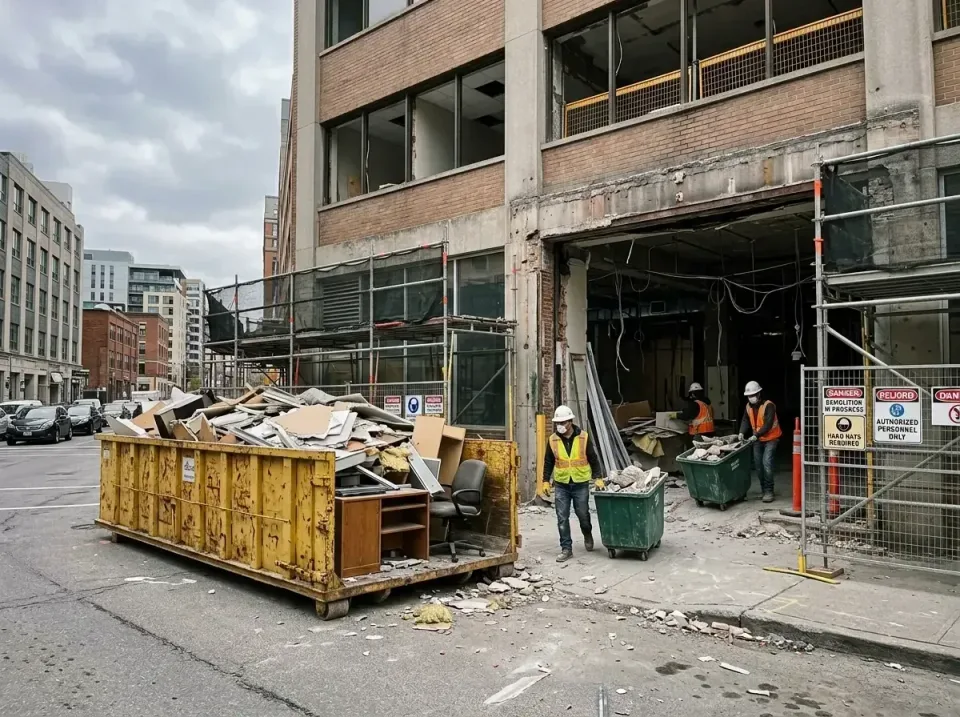
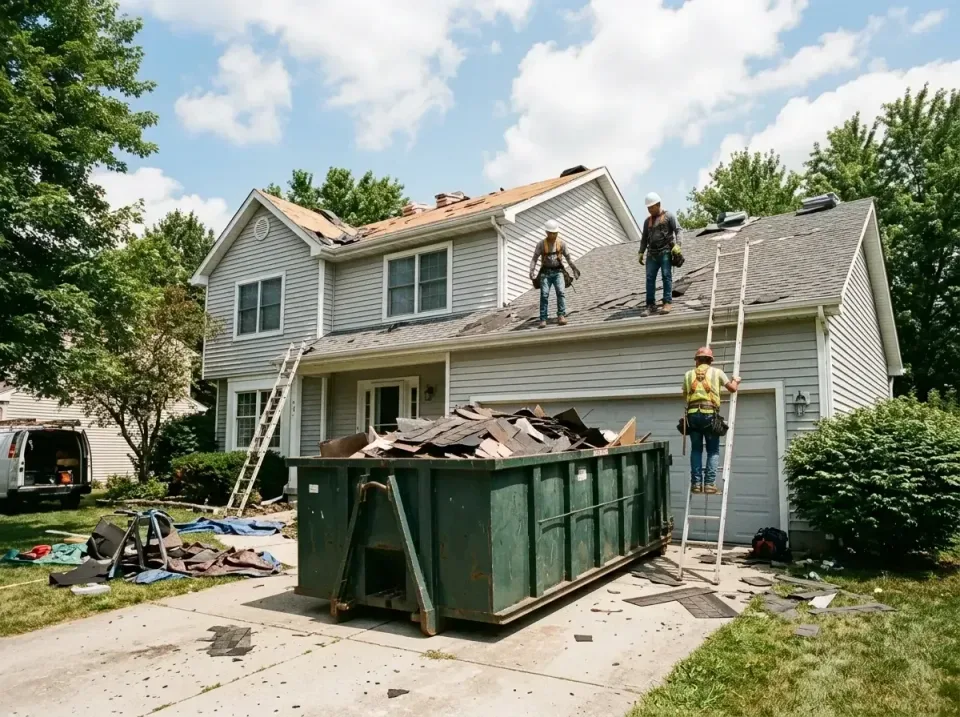
Recent residential and commercial roll-off dumpster service project photos in Pelham.


Browse by State
Select your region to see local residential and commercial roll-off dumpster service providers and cities we cover.
Request a Quote in Pelham
Fill in the details below and a local residential and commercial roll-off dumpster service provider will follow up. Or call us directly: (844) 606-1601
Need Residential and Commercial Roll-Off Dumpster Service in Pelham?
Call or email us directly — we'll get back to you fast.